IMDb >
Manufactured Landscapes (2006)
Watch It
Adquirir en Amazon
Rent it at
blockbuster.com
Discutir en los foros More at IMDb Pro Add to My Movies Update Data
blockbuster.com
BETA
Discutir en los foros More at IMDb Pro Add to My Movies Update Data
Enlaces
Principales Enlaces
trailers and videosreparto y equipo completostrivialidadesofficial sitesfrases célebresRevisión
información principalinformación combinadareparto y equipo completoscréditos de compañíastv schedulePremios y críticas
comentarios de los usuarioscríticas externascríticas de grupos de usuariosawardsCalificacionesparents guiderecomendacionesforoArgumento y citas
argumentoplot synopsispalabras clave del argumentosinopsis Amazon.comfrases célebresCosas divertidas
trivialidadespifiastemas musicalescréditos extravagantesotras versionesenlaces entre películaspreguntas frecuentesOtro tipo de información
enlaces a productostaquilla/negociofechas de estrenolugares de rodajeespecificaciones técnicasLaserdiscDVDlecturas relacionadasNoticieroMaterial promocional
frases comerciales trailers and videos carteles y enlaces photo galleryEnlaces externos
enlaces a cinesofficial sitesmisceláneosfotografíassound clipsvideo clipsManufactured Landscapes (2006) Más información en IMDbPro »
| Fotos (ver todos los 2 | slideshow) |
Revisión
Calificación de los usuarios:
Fecha de Lanzamiento:
13 junio 2007 (Belgium) másPlot:
Photographer Edward Burtynsky travels the world observing changes in landscapes due to industrial work and manufacturing. full summary | full synopsisPremios:
4 wins & 2 nominations másComentarios de los usuarios:
Wasted landscapes, and in part a wasted opportunity másReparto
(Vista general del reparto en créditos)| Edward Burtynsky | ... | Himself |
Más detalles
También conocida como:
Edward Burtynsky: Manufactured Landscapes (Australia) (DVD title)Paysages fabriqués (Canada: French title)
más
Parents Guide:
Add content advisory for parentsDuración:
80 min | Canada:90 min (Toronto International Film Festival)País:
CanadaColor:
ColorRelación de Aspecto:
1.85 : 1 másSonido:
Dolby DigitalCosas divertidas
preguntas frecuentes
This FAQ is empty. Add the first question.más
Foros
Discutir película con otros usuarios en Foro de IMDb para Manufactured Landscapes (2006) másRecomendaciones
Si disfrutó este título, nuestra base de datos también recomienda:
Mostrar más recomendaciones
|
|
|
|
|
| Willy Wonka & the Chocolate Factory | Up the Yangtze | War Photographer | Les invasions barbares | Listen to Britain |
|
IMDb Calificación de los usuarios:
|
IMDb Calificación de los usuarios:
|
IMDb Calificación de los usuarios:
|
IMDb Calificación de los usuarios:
|
IMDb Calificación de los usuarios:
|
Enlaces Relacionados
| Reparto y Personal Completos | Créditos de la compañía | Críticas externas |
| IMDb Documental section | IMDb Canada section | Add this title to MyMovies |


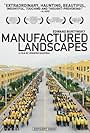
This is a documentary that came out of the splendid work of a Canadian landscape photographer whose interest has long been in the ravages left on earth by the excavations or buildings of man. It begins with a vast factory complex crammed with people making a great variety of little things, parts of high-tech equipment presumably; it isn't really made very clear. The emphasis is on how big the place is and how many people are there and how they're herded around outside in little yellow jackets. The film also shows the photographer working on a tall structure to do a still of the array of these people outside the factory, and talking with his crew as he does so. This is a world of relentless industrialization. It's a relief at least to know these soulless images aren't going to be presented without a human voice, as is the case in Nikolaus Geyrhalter's gleefully cold documentary about the food industry, 'Our Daily Bread.' 'Manufactured Landscapes' contains images of people scavenging e-waste and a town (many towns, really) being wiped out by the biggest dam ever, with a single plangent trademark shot of a little girl in the rubble of her own neighborhood eating out of a bowl using a pair of chopsticks almost bigger than she is. Some of these scenes, the ones with miserably underpaid workers slaving in dangerous and toxic places, might have been shot memorably by the premier engagé photographer Sebastião Salgado. But this photographer isn't as interested in seeing people up close. His orientation places him somewhere in between Salgado and the cold, neutral modern landscape photographs of Lewis Baltz.
All this happens in China, of course, though there is earlier footage in black and white of the photographer working around a large shipbuilding site in Bangladesh. It is backed up by music in a New Age industrial style that is alternately soothing and oppressive. There are a good many stills of the photographer's work--or were some of them made by the film crew? It isn't made clear.
Edward Burtynsky is the name of the photographer. We see people wandering through exhibitions of his beautiful work-- big dramatic prints of carefully composed view camera color images with a handsome glow. The irony is that Burtynsky makes such unique and glorious pictures of places that are essentially blighted, and to the ordinary eye are dispiriting and boring. He admits himself that he takes no political stand. When we are able to compare his images with those caught by the roaming eye of the film's cinematographer Peter Mettler, Burtynsky's work almost amounts to a kind of glorification, and hence falsification. But he is showing us places that, if we look closely, reveal their full dark story of ravage and neglect no matter how finely crafted the photographs of them may be.
Logically, but not entirely fortunately, it is Burtynsky whose voice-overs narrate most of the film as it ranges over various sites. Burtynsky's "epiphanies" may have inspired his decades of fine work, but they amount to nothing but truisms about how we're changing the planet irreparably; are dependent on oil, which will run out; that China has come into the game of massive industrialization late, and so may burn out early with the depletion of fossil fuel. The interest of 'Manufactured Landscapes' would be much greater if there were perceptive new ideas to accompany it. The reasons for watching it are two: to see glimpses of Burtynsky's work and the raw materials, the spaces he visits and chronicles so beautifully; and to observe scenes from the vast, awesome, daunting, and rather horrifying industrialization of modern China.
Because of the limitations of the narration, the idea of the title 'Manufactured Landscapes' feels insufficiently developed. It even seems a misnomer. New landscapes they are, but they are the byproduct of manufacturing rather than "manufactured." 'Landscapes of Waste' or 'Wasted Landscapes' might be better titles. There is much room left by this documentary for more intellectually searching work on film about this intriguing subject; and those who want to know more about Edward Burtynsky might do better to peruse his books or exhibitions.